How Tattoo Removal Works: Understanding the Laser Process and Results
Thinking about removing that tattoo you got years ago, like your ex’s name or that one drunken doodle at a beach abroad from ages ago? You're definitely not alone! Advanced laser technology has completely changed the game when it comes to tattoo removal, making it safer and more effective than ever before. Today's dermatology and aesthetic care facilities offer amazing laser treatments that can significantly fade or completely erase tattoos of all sizes, colors, and ages. Whether you're looking to completely remove an old design or just lighten it enough for a cover-up, there are great options available right in your area.
Key Takeaways
- Laser technology breaks down tattoo ink particles through targeted light energy that allows the body's immune system to naturally eliminate the fragmented pigments
- Multiple sessions are typically required for optimal results, with treatments spaced 6-8 weeks apart to allow proper healing and ink clearance
- Professional color and skin assessment is essential before treatment to determine the most effective laser type and treatment plan for your specific tattoo
- Proper aftercare significantly impacts results and helps minimize side effects while promoting faster healing and better ink elimination
- Location matters for treatment success as professional facilities with experienced practitioners and advanced equipment provide safer, more effective outcomes
- Individual factors affect timeline, including tattoo age, size, color complexity, skin type, and overall health influence the number of sessions needed
The Science Behind Laser Tattoo Removal
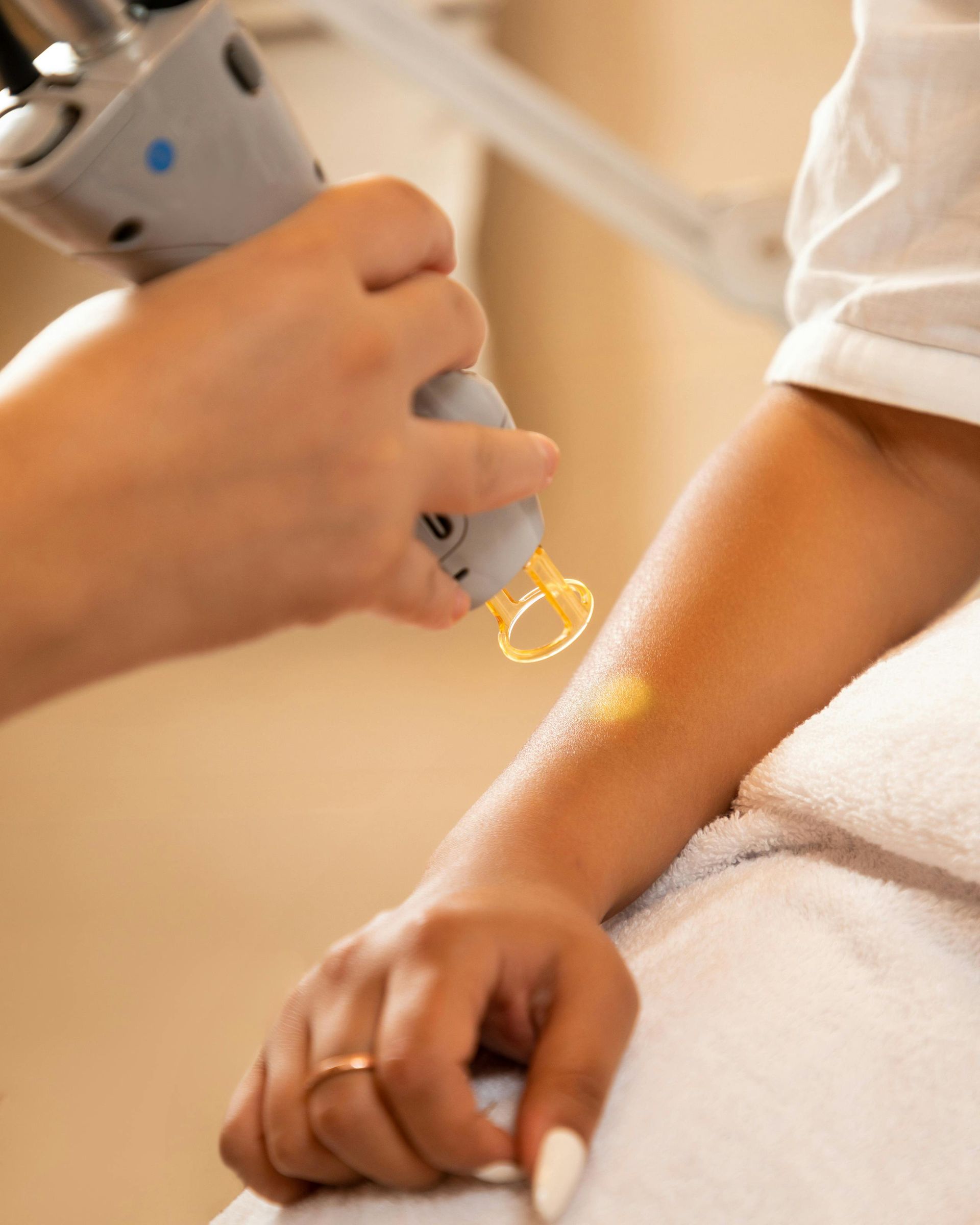
Here's the cool part about how laser tattoo removal actually works. The process uses something called selective photothermolysis, which is basically a fancy way of saying the laser targets your tattoo ink while leaving the rest of your skin alone. When the laser hits your tattoo, it delivers focused energy that heats up and breaks those ink particles into tiny pieces that your body can handle.
Your immune system is actually the real hero in this story. Once the laser does its job of breaking down those larger ink chunks, your white blood cells (called macrophages) swoop in to clean up the mess. They grab those smaller ink fragments and carry them away through your lymphatic system. This cleanup process keeps working for weeks after each session, which is why you'll notice your tattoo getting lighter over time.
Different laser colors work better on different tattoo colors, which is pretty neat when you think about it. Body sculpt skin laser technology has gotten so advanced that practitioners can now choose from multiple laser options based on what colors are in your specific tattoo. Black and red inks are usually the easiest to treat, while colors like green, blue, and yellow might need some special laser wavelengths to get the best results.
The depth of your tattoo also plays a big role in how the treatment goes. Professional tattoos typically go deeper into your skin compared to amateur ones, which means they might need a bit more laser power and possibly a few extra sessions to completely disappear.
Types of Lasers Used in Tattoo Removal
Modern dermatology practices utilize several types of laser systems for tattoo removal, each designed to target specific characteristics of tattoo ink:
Q-Switched Lasers
- Deliver short, high-energy pulses that effectively shatter ink particles
- Available in multiple wavelengths to target different colors
- Proven track record with extensive research supporting their effectiveness
- Commonly used for darker inks like black and blue
Picosecond Lasers
- Generate ultra-short pulse durations measured in picoseconds
- Create more efficient ink fragmentation with potentially fewer treatments
- Often more comfortable for patients during treatment sessions
- Effective on a broader range of ink colors, including stubborn pigments
Nd:YAG Lasers
- Particularly effective for darker skin types
- Excel at treating black and red inks
- Offer good penetration depth for deeper ink deposits
- Reduce risk of pigmentation changes in darker skin tones
The choice of laser system depends on several factors, including ink colors, skin type, tattoo depth, and individual patient characteristics. Professional assessment helps determine the most appropriate technology for each unique situation.
What to Expect During Treatment
Getting started with tattoo removal begins with a friendly consultation where your practitioner will take a good look at your tattoo and chat with you about what you're hoping to achieve. They'll consider things like how big your tattoo is, how old it is, where it's located, what colors it has, and your skin type to create a treatment plan that's just right for you.
Here's what typically happens during your treatment sessions:
Getting Ready for Your Session
- Your skin gets cleaned up, and the technicians might apply some numbing cream if you'd like
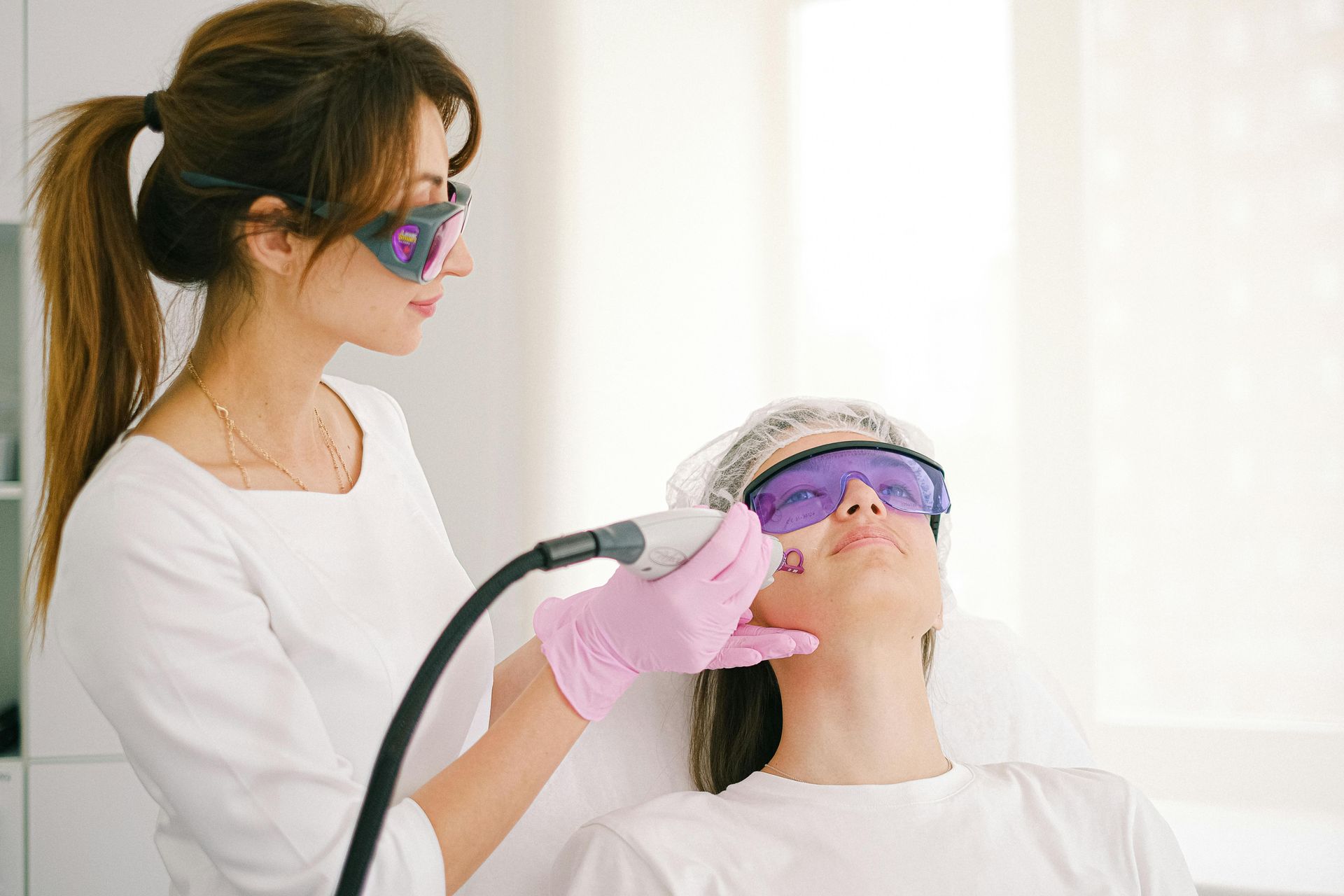
- Everyone gets proper eye protection (safety first!)
- They'll take photos to track how well your treatment is progressing
- You'll go over aftercare instructions one more time so you know exactly what to expect
During Your Laser Treatment
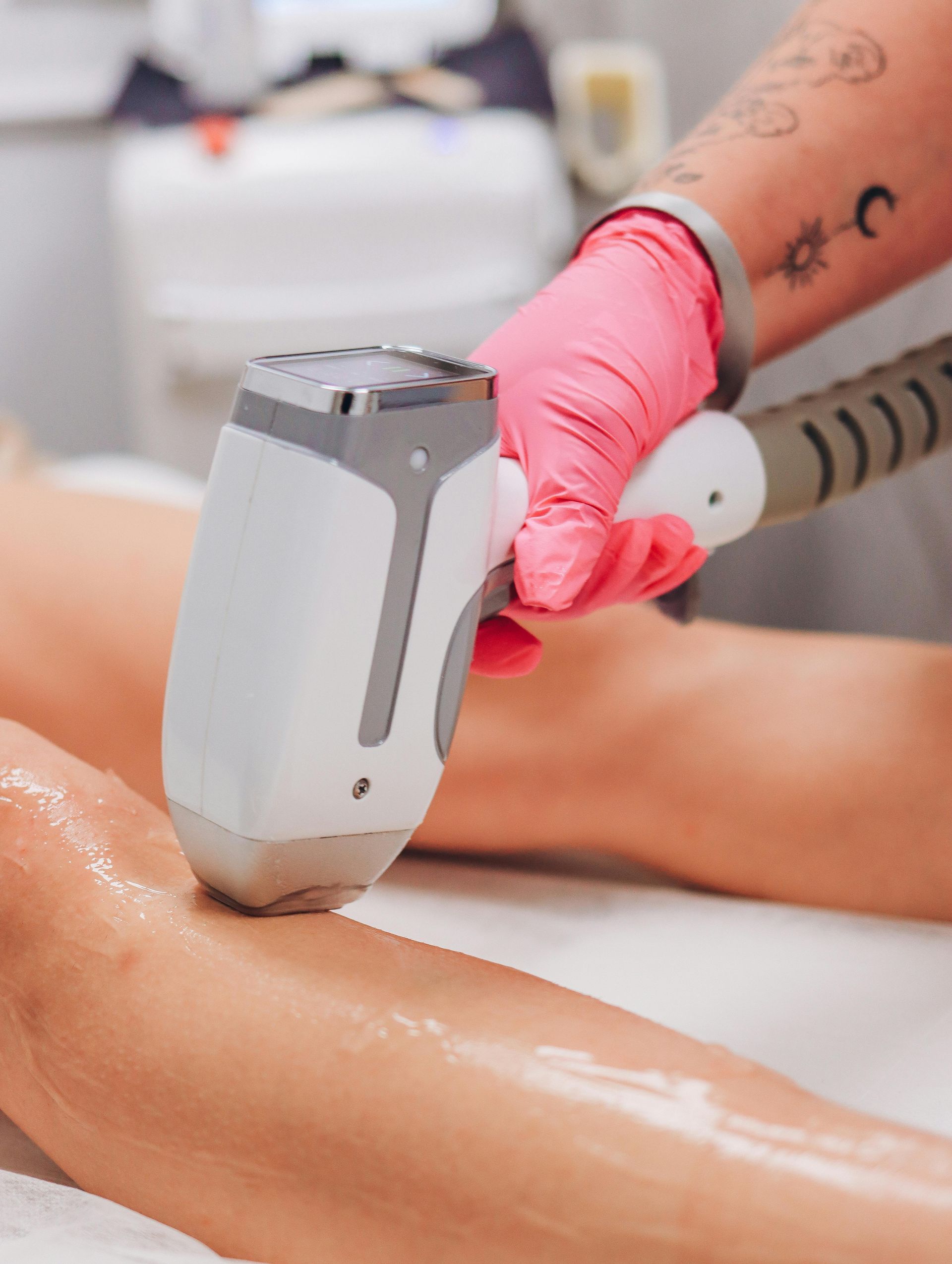
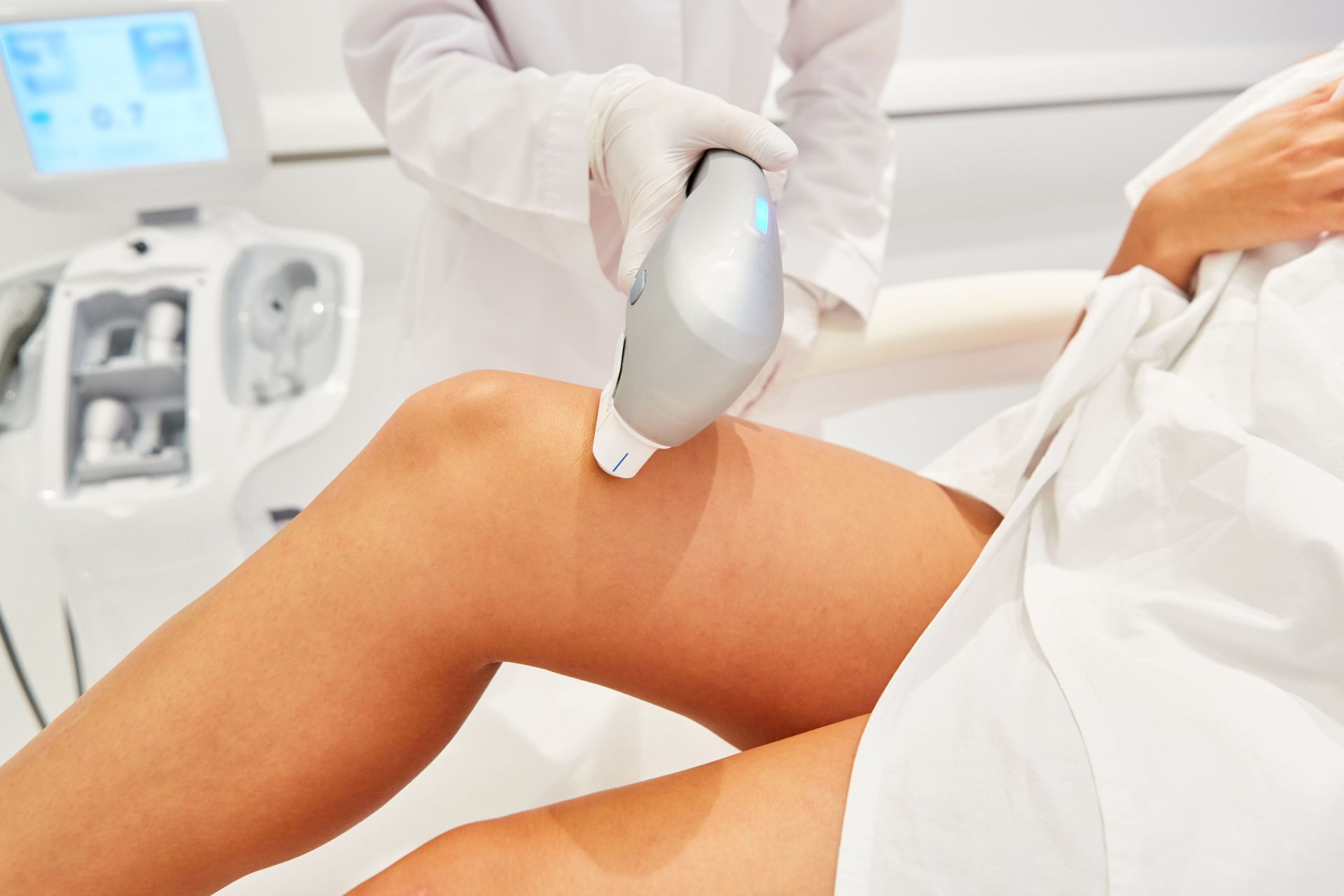
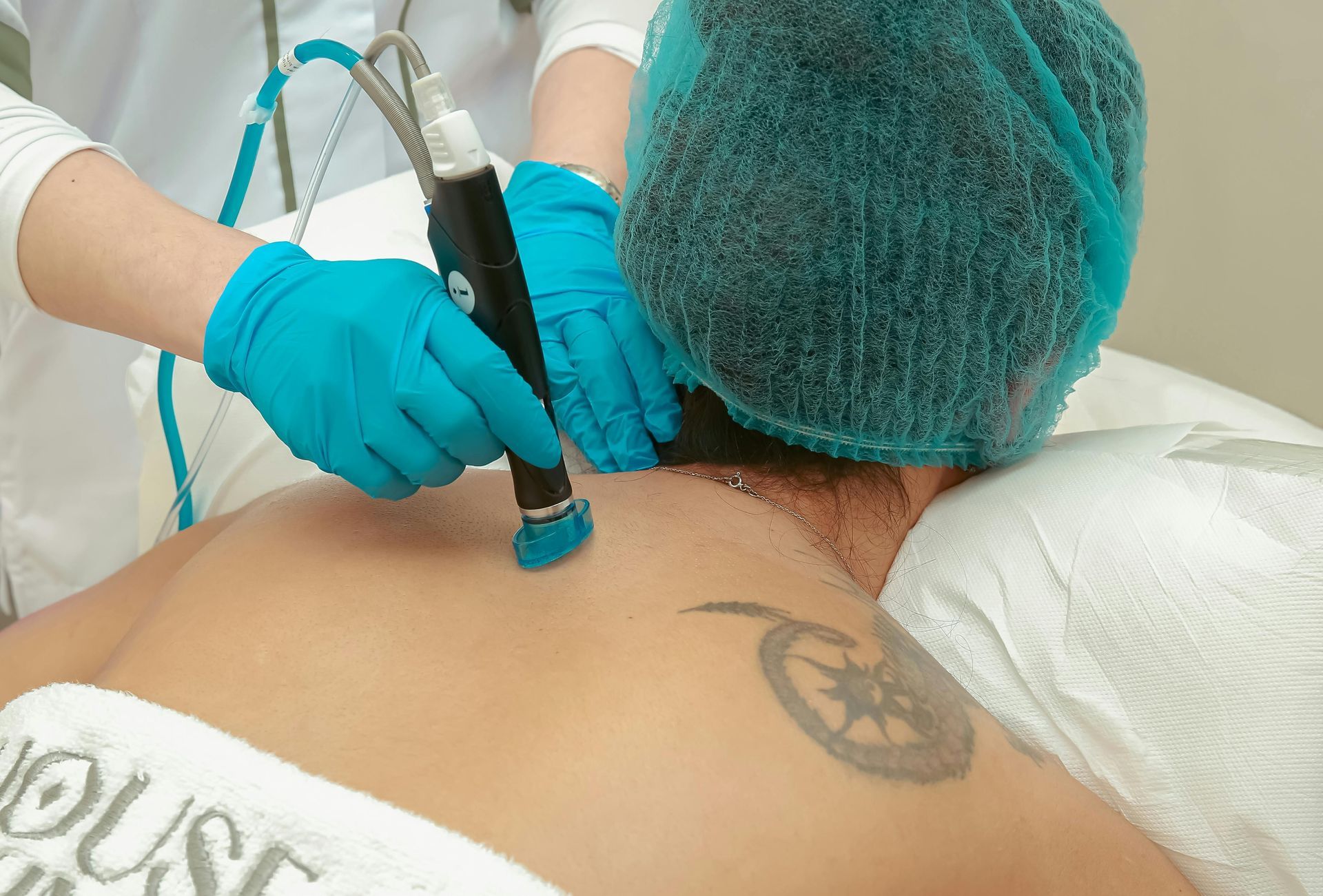
- The practitioner carefully targets your tattoo with the right laser settings for your specific needs
- They might go over the area a few times to make sure they get good coverage
- There's immediate cooling to keep you comfortable and protect your surrounding skin
- Sessions can last anywhere from a few minutes to under an hour, depending on your tattoo size
- They'll keep an eye on how your skin is responding and adjust things if needed
After Your Treatment
- You'll get some soothing ointment and protective bandaging
- They'll give you clear instructions on how to take care of your skin for the best results
- You'll schedule your next appointment (usually 6-8 weeks out)
- You'll get guidelines about activities to avoid and how to protect your skin from the sun
Most people say the feeling is like getting snapped with a rubber band, though everyone's pain tolerance is different. Many find it totally manageable, especially if they use numbing cream. Today's laser machines have built-in cooling systems that really help with comfort during and right after treatment.
Factors Affecting Treatment Success
Several variables influence how effectively and quickly tattoo removal progresses. Understanding these factors helps set realistic expectations for the treatment journey.
Tattoo Characteristics That Impact Removal:
- Age and maturity - Older tattoos often respond better, as ink may have already begun to fade naturally
- Size and density - Larger, heavily saturated tattoos typically require more sessions than smaller, lighter designs
- Professional vs. amateur application - Professional tattoos with deeper ink placement may take longer to remove
- Ink quality and composition - Some modern inks contain metals or compounds that resist laser treatment
Individual Patient Factors:
- Skin type and tone - Different skin types respond differently to laser wavelengths and may have varying side effect profiles
- Overall health and immune function - A robust immune system processes fragmented ink more efficiently
- Lifestyle factors - Smoking, poor nutrition, and certain medications can slow the healing and clearance process
- Location on the body - Areas with better circulation, like the torso, often clear faster than extremities
Treatment-Related Variables:
- Laser type and settings - Proper equipment selection and calibration significantly impact results
- Session frequency - Appropriate spacing between treatments allows for optimal healing and ink clearance
- Practitioner experience - Skilled professionals can adjust techniques based on individual response patterns
- Consistent aftercare - Following post-treatment guidelines supports better outcomes and fewer complications
Finding the Right Provider for Your Tattoo Removal Journey
Choosing the right person to handle your tattoo removal makes a huge difference in both how safe you'll be and how great your results turn out. You want someone who really knows what they're doing, has top-notch equipment, and runs a clean, professional operation.
What to Look For in a Great Provider:
- Board-certified dermatologists or laser specialists who've done tons of tattoo removals before
- Clinics that specialize in dermatology in West Chester and the surrounding areas often have the latest equipment and the highest standards
- Practitioners who keep learning about the newest laser technology and techniques
- Providers who take time to really explain everything and set realistic expectations (not just tell you what you want to hear)
- Places that can show you before and after photos of tattoos similar to yours
Things That Matter for Your Experience:
- Multiple types of lasers available so they can tackle all your tattoo colors effectively
- Modern safety features and cooling systems to keep you comfortable
- Clean, professional spaces that feel more like a medical office than a sketchy back room
- Easy access for all your follow-up appointments (you'll be coming back regularly!)
- Clear, honest communication about how the process works, how long it'll take, and what you can realistically expect
Location really does matter when you're thinking about a "tattoo removal service near me." Since you'll need regular sessions spaced weeks apart, having a provider nearby makes it much easier to stick with your treatment plan. Plus, local providers are there if you have questions or concerns between appointments, which can give you real peace of mind throughout the whole process.
Timeline and Session Requirements
Tattoo removal is a gradual process that requires patience and realistic expectations. Most tattoos require multiple treatment sessions spaced several weeks apart to achieve optimal results.
| Tattoo Characteristics | Typical Session Range | Timeline |
|---|---|---|
| Small, amateur tattoo | 3-6 sessions | 6-12 months |
| Medium professional tattoo | 6-10 sessions | 12-18 months |
| Large, colorful tattoo | 10-15+ sessions | 18-24+ months |
| Cover-up preparation | 3-8 sessions | 6-15 months |
The spacing between sessions is crucial for success. Most dermatology and aesthetic care providers recommend waiting 6-8 weeks between treatments to allow:
- Complete healing of the treated skin
- Maximum immune system processing of fragmented ink particles
- Assessment of treatment progress before the next session
- Minimization of scarring and other potential complications
Progress is typically most noticeable after the first few sessions, with gradual continued improvement throughout the treatment series. Some tattoos may achieve satisfactory fading for cover-up purposes before complete removal, which can reduce the total number of sessions needed.
Seasonal considerations may influence treatment timing. Many providers recommend starting tattoo removal during the fall or winter months when sun exposure is naturally limited, allowing for better healing and reducing the risk of pigmentation changes.
Taking Care of Your Skin After Treatment
Taking good care of your skin after each session is super important for getting the best results and avoiding any bumps in the road. Don't worry, though: most side effects are pretty mild and temporary, and with the right care, you'll heal up just fine.
What's Normal Right After Treatment:
- Some redness and swelling that looks kind of like a sunburn
- Maybe some blistering or scabbing in the treated area (totally normal!)
- Your skin might look a bit darker or lighter temporarily
- A little discomfort that usually goes away within a few days
Your Aftercare Game Plan:
- Keep the area clean and dry (easier said than done sometimes, but do your best!)
- Use whatever ointments or moisturizers your provider recommends
- Stay out of the sun and slather on that broad-spectrum sunscreen when you do go out
- Don't pick at scabs or pop blisters, even if they're driving you crazy (we know it's tempting!)
- Skip the pool, hot tub, and intense workouts for about a week
- Follow any other specific instructions your provider gives you
When to Give Your Provider a Call:
- Signs that look like infection (more redness, warmth, or any pus)
- Pain that keeps getting worse instead of better
- Any weird changes in your skin color or texture
- Basically anything that just doesn't seem right to you
Professional dermatology clinics in West Chester and other local areas really emphasize following these aftercare steps because they make such a big difference in how well your treatment works and how quickly you heal. Your skin will thank you for being gentle with it!
Frequently Asked Questions
How painful is laser tattoo removal compared to getting the original tattoo?
Most people find tattoo removal to be less painful than the original tattooing process. However, pain tolerance varies between individuals. Topical numbing agents can help minimize discomfort during treatment sessions.
Can all tattoo colors be completely removed with laser treatment?
While black and red inks respond best to laser removal, modern technology can effectively target most colors including blues and greens. Yellow and fluorescent colors may be more challenging but can often be significantly faded.
Will my skin look completely normal after tattoo removal is complete?
Most patients achieve excellent cosmetic results with minimal visible traces of their former tattoo. Some may experience slight textural changes or pigmentation variations, particularly with very large or heavily saturated tattoos.
How much does professional tattoo removal typically cost?
Treatment costs vary based on tattoo size, complexity, location, and the number of sessions required. Many providers offer consultation appointments to assess your specific situation and provide accurate pricing information.
Is it safe to get a new tattoo over a partially removed one?
Most practitioners recommend waiting until the removal process is complete and the skin has fully healed before considering new tattoo work. Partial removal can sometimes provide adequate fading for successful cover-up tattoos with fewer total sessions.
Final Thoughts
Laser tattoo removal has really come a long way and become an amazing option for anyone looking to say goodbye to unwanted ink. With the right professional guidance, realistic expectations, and a little patience with the process, most people can see incredible improvement or even complete removal of their tattoos. The secret to success is finding experienced practitioners who use the latest laser technology and then following their aftercare advice to the letter. If you're thinking about tattoo removal, why not reach out to some qualified dermatology professionals in your area? They can help you explore your options and put together a treatment plan that fits your specific situation and goals perfectly.
Ready to say goodbye to that unwanted tattoo? Schedule your consultation with our local dermatology specialists today.
Reference:
https://my.clevelandclinic.org/health/body/macrophages
Share this article