The Benefits of Integrating Dermatology and Aesthetic Care for Healthy Skin
Healthy, radiant skin is more than just a cosmetic goal. It reflects overall wellness and can impact confidence and quality of life. While daily skincare routines and over-the-counter products are helpful, professional care ensures long-lasting results. Integrating dermatology and aesthetic treatments provides a holistic approach, addressing medical concerns and cosmetic goals simultaneously.
By combining the
expertise of dermatologists and aesthetic specialists, patients benefit from personalized care that enhances natural beauty while protecting skin health. This approach emphasizes prevention, correction, and enhancement, creating a sustainable path to healthy skin.
Key Takeaways
- Integrated dermatology and aesthetic care addresses both medical and cosmetic skin concerns.
- Personalized treatment plans improve overall skin health and appearance.
- Preventive strategies reduce long-term skin issues and maintain wellness.
- Non-invasive aesthetic treatments complement dermatology for natural, safe results.
- Advanced technology ensures precise, effective care.
- Education and lifestyle guidance maximize treatment outcomes.
Understanding Dermatology and Aesthetic Care
Dermatology focuses on diagnosing and treating skin conditions such as acne, eczema, psoriasis, rosacea, and skin cancer. Treatments are evidence-based and medically driven, addressing the root causes of skin issues.
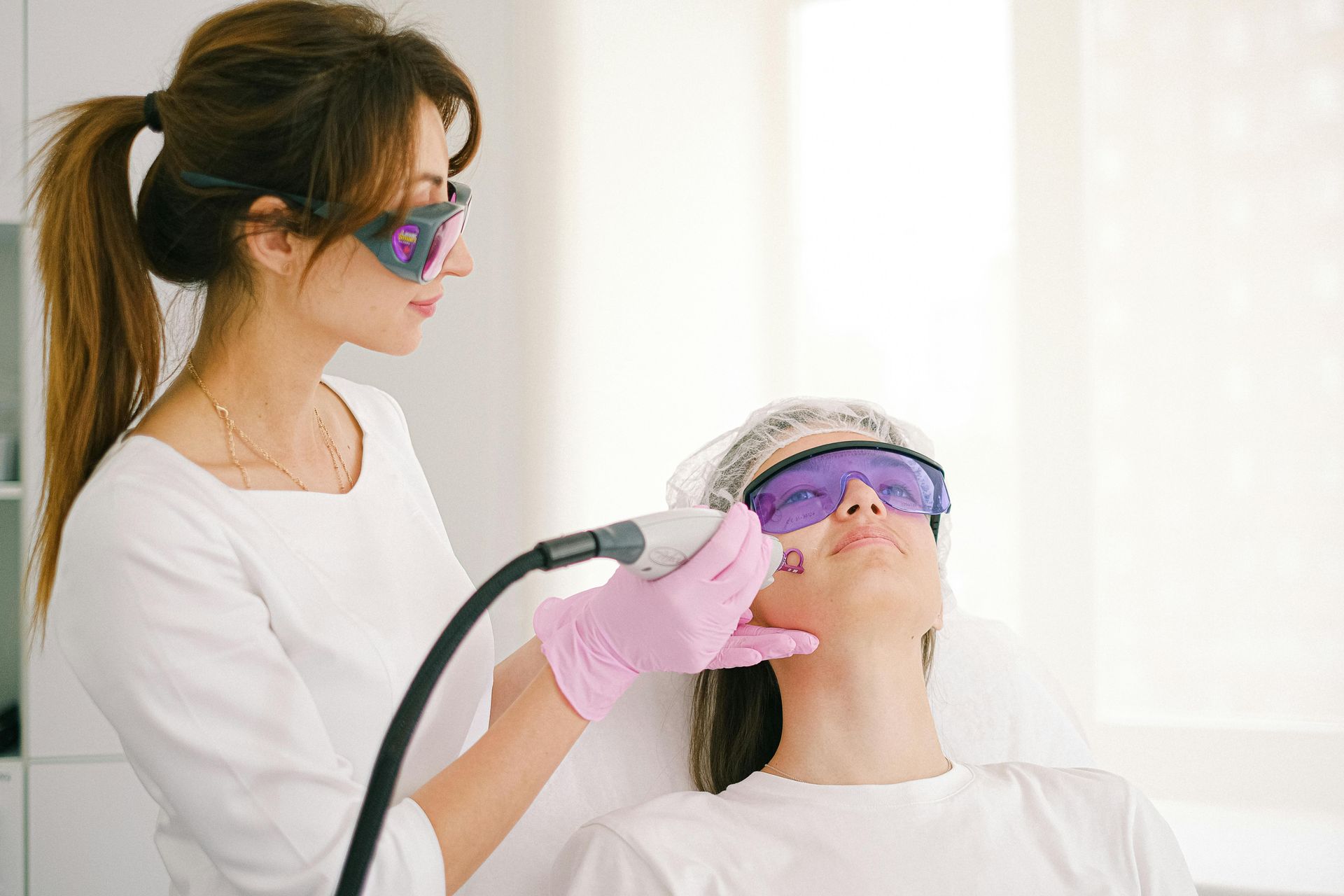
Aesthetic care focuses on improving the appearance of skin, targeting wrinkles, hyperpigmentation, acne scars, and signs of aging. Common treatments include laser therapy, chemical peels, microneedling, and injectables.
When combined, dermatology and aesthetic care allow patients to achieve comprehensive results. For example, a patient with acne scars benefits from medical acne management while receiving microneedling or laser treatments to enhance skin texture and tone.
The Importance of Personalized Skin Assessments
Integrated care begins with a detailed assessment to understand each patient’s unique needs. This process often includes:
- Reviewing medical history and medications
- Analyzing skin type, sensitivity, and concerns
- Conducting visual and technological skin evaluations
- Considering lifestyle factors such as sun exposure, diet, and stress
Personalized assessments allow practitioners to create tailored plans, reducing risks of adverse reactions and improving long-term outcomes. For instance, sensitive or reactive skin requires more cautious treatment choices, which integrated care accommodates.
Common Integrated Treatments
Several treatments effectively combine medical dermatology with aesthetic procedures to improve skin health and appearance:
- Chemical Peels: Promote cell turnover, improve pigmentation, and smooth acne scars.
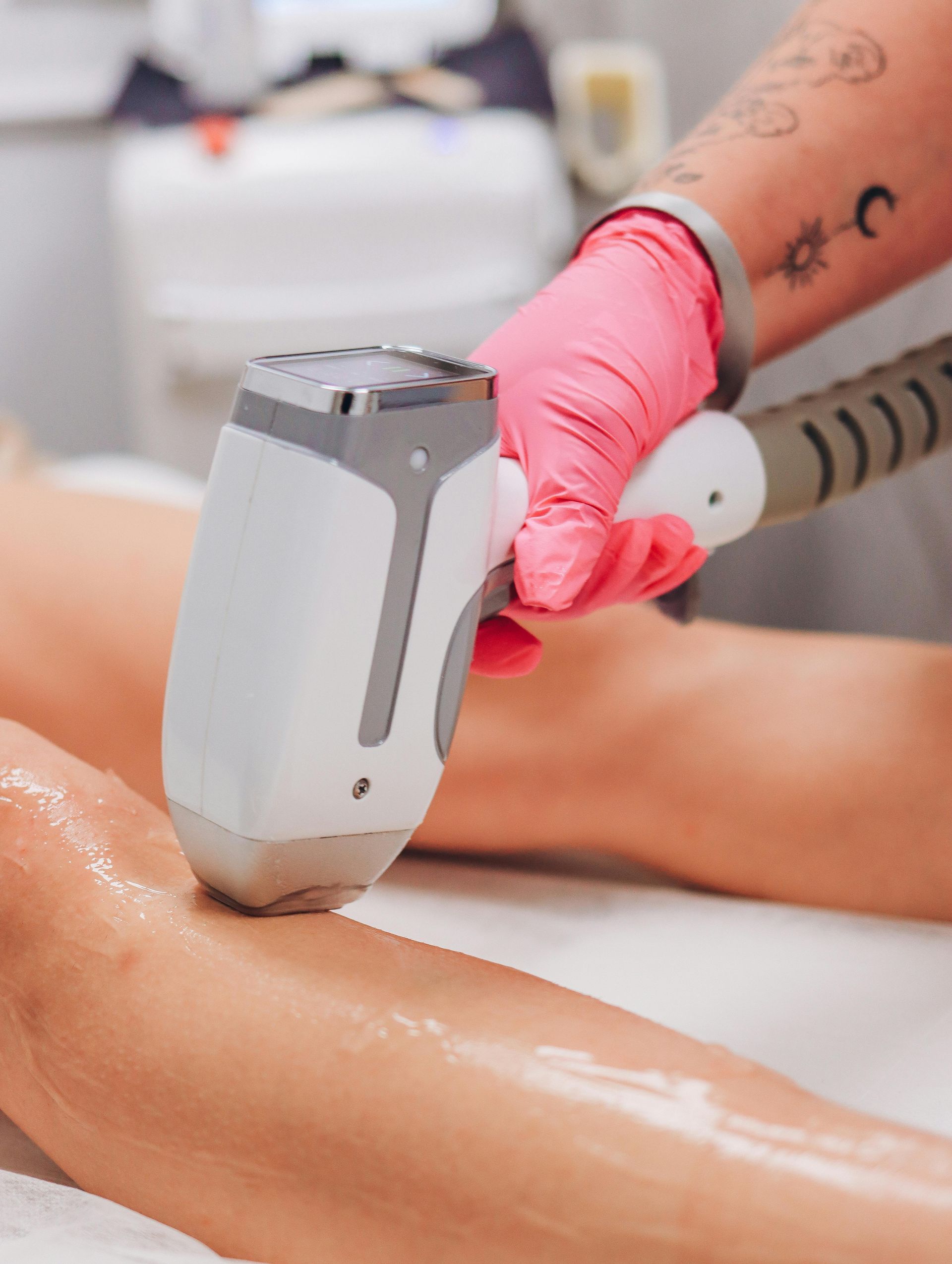
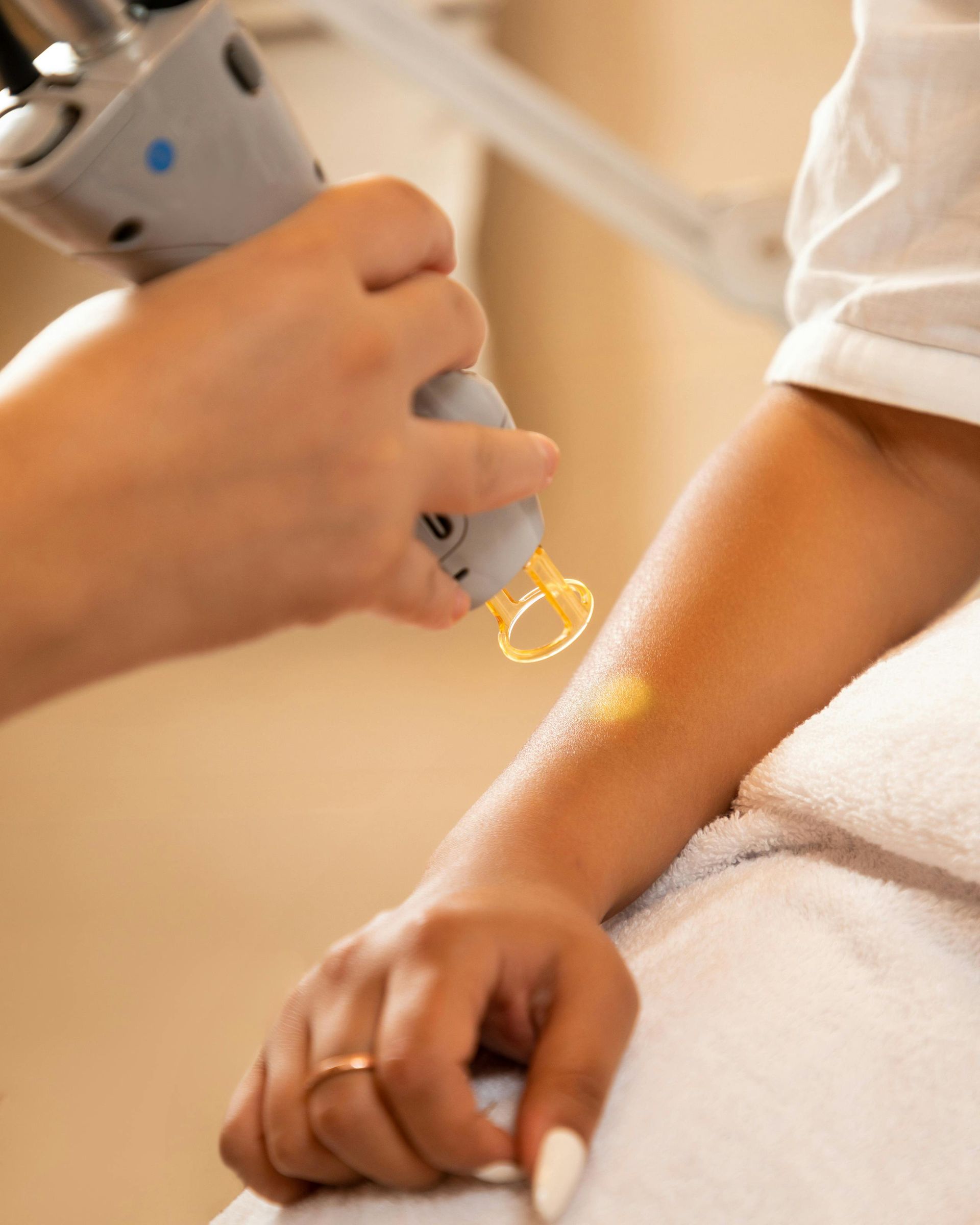
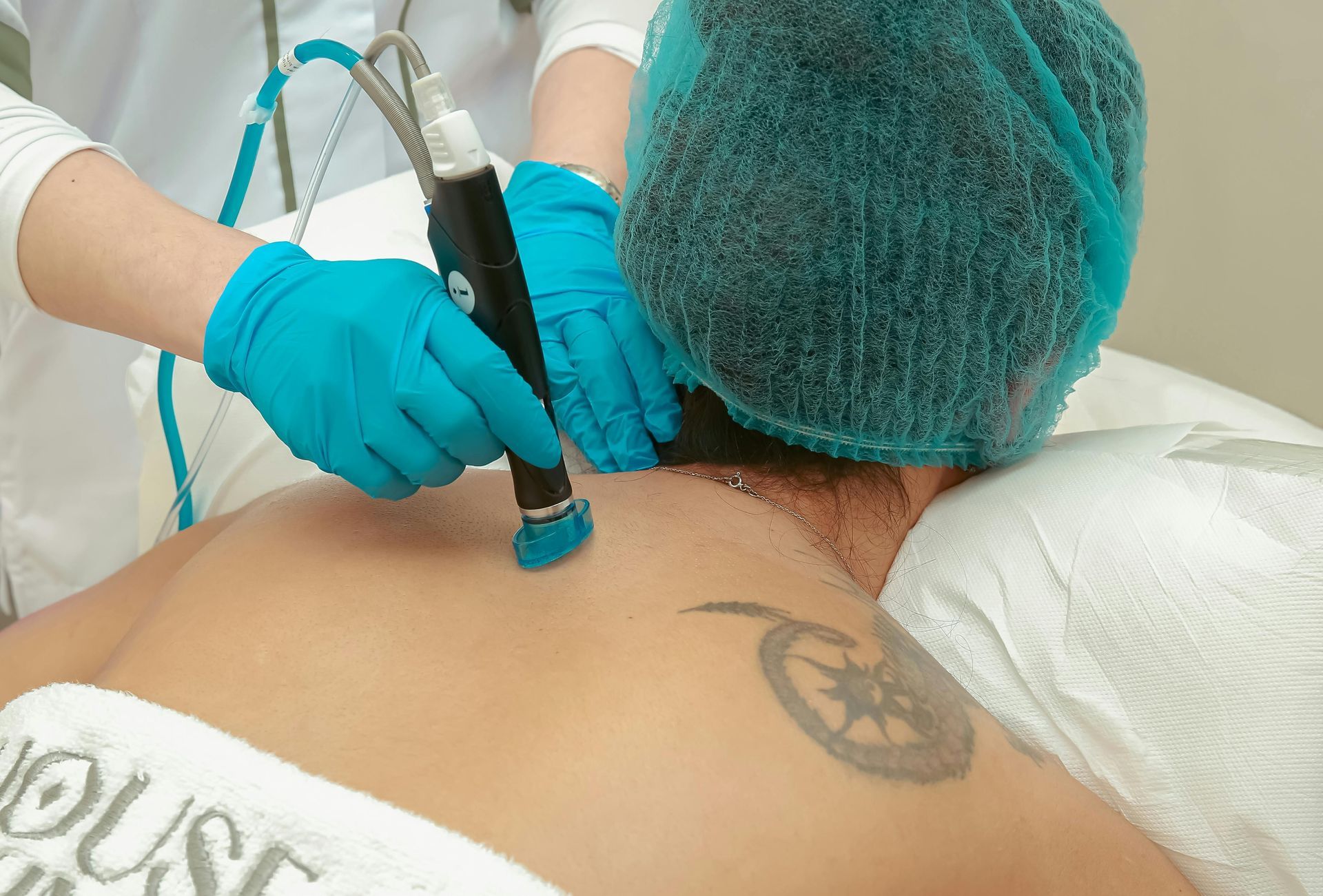
- Laser Therapy: Treats redness, sun damage, scars, and fine lines.
- Microneedling: Stimulates collagen production for firmer skin.
- Injectables: Includes Botox and dermal fillers for wrinkle reduction and facial balance.
- Prescription Topicals: Address acne, pigmentation, or aging in combination with cosmetic serums.
Integrated treatment ensures cosmetic procedures are performed on healthy skin, enhancing results and reducing complications.
Preventive Skin Health
Prevention is a key benefit of integrated dermatology and aesthetic care. Dermatologists identify risks such as early signs of skin cancer, chronic inflammation, or premature aging, while aesthetic specialists provide treatments that support skin resilience. Preventive measures may include:
- Regular skin cancer screenings and mole checks
- Early management of acne, rosacea, or eczema
- Daily sun protection with medical-grade sunscreen
- Antioxidant-based skincare and topical nutrients
- Lifestyle guidance including diet, hydration, and stress management
Preventive care not only protects skin in the present but reduces the need for more invasive treatments later.
Enhancing Natural Beauty Safely
Aesthetic treatments are most effective when performed on healthy skin. Integrated care ensures safety and maximizes results:
- Smoother, more even skin texture
- Reduced fine lines and wrinkles
- Improved hydration and elasticity
- Natural-looking outcomes with minimal downtime
By prioritizing medical skin health first, aesthetic enhancements complement natural beauty rather than creating an artificial appearance.
Advanced Technology in Integrated Care
Modern technologies enhance both dermatology and aesthetic treatments:
- High-resolution imaging: Monitors skin progress over time.
- Laser and light-based devices: Treat scars, pigmentation, and vascular issues.
- Radiofrequency and ultrasound: Promote collagen production and skin tightening.
- AI-assisted diagnostics: Support treatment planning and predict outcomes.
These technologies improve accuracy and outcomes, making integrated care an effective and reliable approach.
Lifestyle and Skincare Recommendations
Daily habits significantly affect skin health. Integrated care emphasizes:
- Using prescription and medical-grade skincare products
- Maintaining a balanced diet and proper hydration
- Managing stress and ensuring adequate sleep
- Adjusting routines seasonally and according to environmental factors
Education empowers patients to maintain results and promotes overall wellness between treatments.
Cost and Time Efficiency
Integrated clinics save patients time and money by addressing multiple concerns in fewer visits. Coordinated treatment plans reduce redundant procedures, prevent conflicts between treatments, and streamline follow-up care. Patients experience comprehensive results efficiently, without sacrificing safety or effectiveness.
Integrated Treatment Approach
| Skin Concern | Dermatology Approach | Aesthetic Approach | Combined Benefit |
|---|---|---|---|
| Acne Scars | Prescription creams, laser therapy | Microneedling, chemical peels | Clearer, smoother skin with fewer breakouts |
| Hyperpigmentation | Topical prescription creams | Laser toning, light therapy | Even tone and long-lasting improvement |
| Aging Skin | Retinoids, anti-aging creams | Botox, dermal fillers, RF tightening | Reduced wrinkles with firmer, elastic skin |
| Sun Damage | Regular screenings, topical antioxidants | IPL, laser resurfacing | Prevents damage while rejuvenating skin |
Choosing the Right Integrated Provider
Selecting a clinic that combines dermatology and aesthetic care is essential. Look for:
- Board-certified dermatologists with aesthetic training
- Experienced aesthetic specialists with medical knowledge
- Comprehensive consultations and transparent treatment plans
- Positive patient reviews and documented results
A reputable provider ensures safe, evidence-based treatments and maximizes the value of your investment.
Safety and Patient Experience
Patient safety is a priority in integrated care:
- Use of FDA-approved devices and treatments
- Sterile procedures and infection control
- Clear, realistic expectations through consultation
- Monitoring for adverse effects
- Tailored post-treatment care
This structured approach ensures high patient satisfaction and long-lasting outcomes.
Holistic Approaches Beyond Procedures
Integrated care often includes lifestyle guidance, nutritional advice, and mental well-being considerations. Healthy skin depends on overall wellness:
- Nutrition rich in antioxidants, vitamins, and healthy fats supports collagen production.
- Adequate sleep allows skin to repair and regenerate.
- Stress management reduces cortisol-related skin issues like acne or eczema flare-ups.
- Hydration is critical for maintaining skin elasticity and minimizing dryness.
Combining procedural treatments with lifestyle interventions ensures the best possible results and long-term skin health.
Long-Term Maintenance and Follow-Up
Maintaining results requires regular follow-up. Integrated providers schedule:
- Routine check-ups for skin health and early detection of problems
- Periodic aesthetic touch-ups to maintain appearance
- Adjustments to treatment plans as the skin ages or changes
Ongoing care helps patients enjoy lasting benefits and reduces the likelihood of needing more invasive treatments later.
Emerging Trends in Integrated Skin Care
The integration of dermatology and aesthetics is evolving with new trends:
- Personalized DNA-based skincare: Genetic testing informs tailored treatments.
- Teledermatology consultations: Remote check-ins for convenience and accessibility.
- Combination therapies: Simultaneous use of multiple treatment modalities for faster results.
- Sustainable and clean beauty products: Safe for sensitive skin and environmentally conscious.
These trends highlight how technology and innovation enhance patient experiences and outcomes.
Case Studies and Real-World Examples
Real-world examples demonstrate the benefits of integrated care:
- Acne Scar Treatment:
A patient with moderate acne scars achieved smoother, clearer skin by combining prescription creams, laser therapy, and microneedling over several months.
- Sun Damage Reversal:
A patient with sunspots underwent IPL and topical retinoids, achieving even skin tone while minimizing long-term sun damage.
- Aging Skin Enhancement:
Wrinkle reduction using Botox combined with RF tightening restored youthful contours while maintaining natural expression.
These examples show how integrated care addresses multiple concerns simultaneously, producing better results than isolated treatments.
Frequently Asked Questions
What is the difference between dermatology and aesthetic care?
Dermatology treats medical skin conditions, while aesthetic care improves appearance. Integration addresses both effectively.
How often should I schedule treatments?
Frequency depends on your skin condition and goals. Medical check-ups may occur every 6–12 months, with aesthetic treatments as advised.
Are integrated treatments safe for sensitive skin?
Yes, qualified professionals customize treatments to accommodate all skin types safely.
Can multiple treatments be done in one session?
Yes, but some procedures may need separate appointments to ensure safety and optimal outcomes.
Are integrated treatments covered by insurance?
Medical dermatology treatments may be covered for health concerns, but cosmetic treatments are generally not insured. Always verify with your provider.
Final Thoughts
Integrating dermatology and aesthetic care provides a comprehensive approach to achieving and maintaining healthy, radiant skin. This combination addresses medical concerns, enhances natural beauty, and emphasizes preventive care for long-term wellness.
Patients benefit from safer procedures, more effective treatments, and personalized plans that reflect their unique needs. From acne management and sun protection to advanced aesthetic treatments, an integrated approach provides the tools for glowing, resilient skin.
Choosing a qualified provider ensures evidence-based, safe, and tailored treatments that protect your investment in skin health while delivering natural and lasting results.
Schedule a consultation today with our experts to create a personalized plan that combines dermatology and aesthetic care for optimal results.
Reference:
https://my.clevelandclinic.org/health/body/macrophages
Share this article