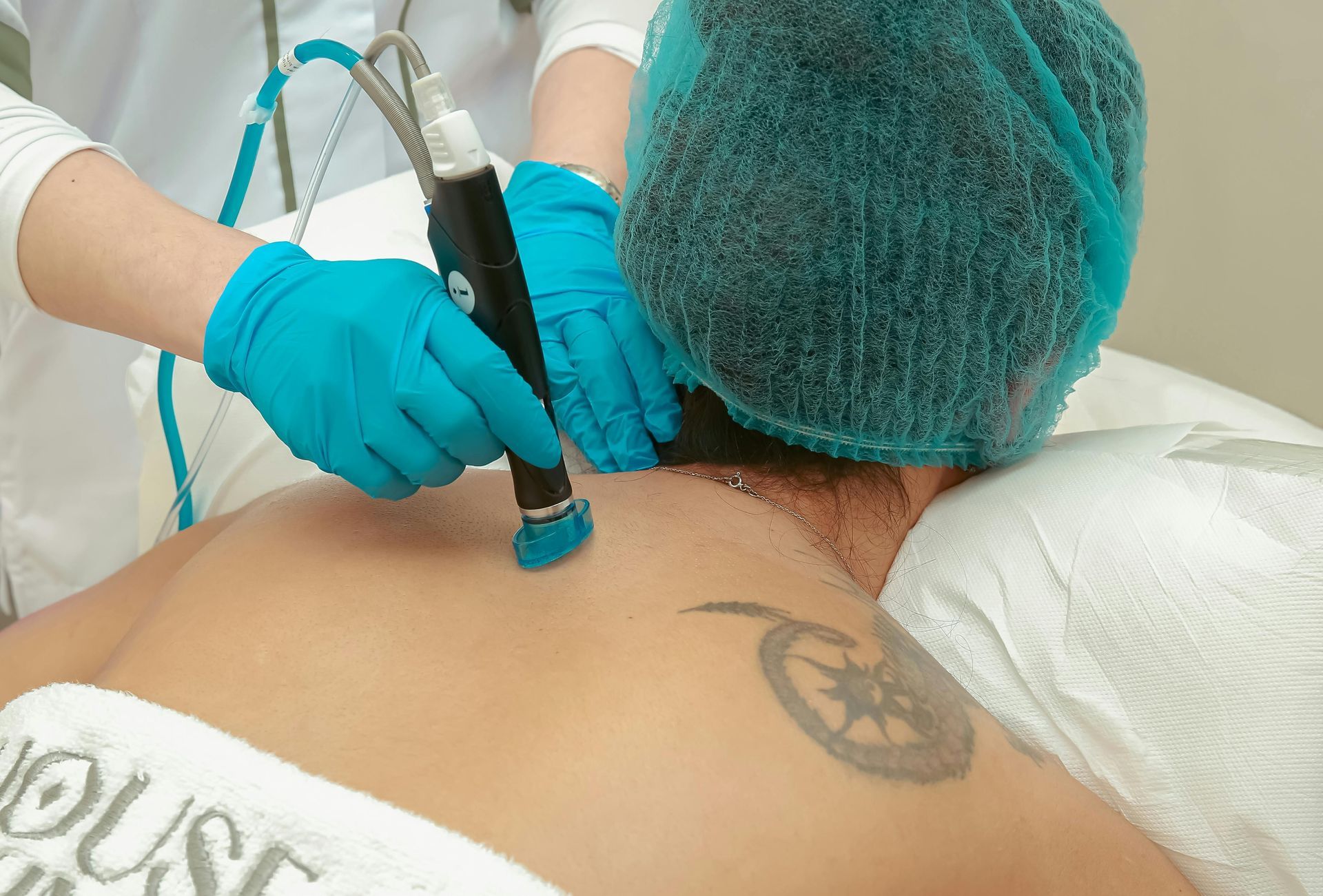
Is Electrolysis Right for You? What to Know Before Starting Treatment
Electrolysis is a popular hair removal method that has been used for decades. It promises long-term results by targeting hair follicles with electrical currents to prevent regrowth. If you are exploring options for permanent hair removal, you might be wondering whether electrolysis is right for you.
Before starting treatment, it is important to understand how the process works, what to expect, and how to choose a qualified provider. Every person’s hair, skin, and goals are different, so a personalized approach matters. This guide will provide insights to help you make an informed decision about electrolysis.
Key Takeaways
- Electrolysis is a long-term hair removal method suitable for many hair types.
- Multiple sessions are usually required for complete results.
- Results vary based on hair color, thickness, and growth cycle.
- Choosing a licensed and experienced electrologist is essential.
- Preparation, aftercare, and realistic expectations impact effectiveness.
- Electrolysis can treat almost any area of the body safely with proper care.
What Is Electrolysis?
Electrolysis is a technique that uses electrical currents to destroy hair follicles, preventing future hair growth. Unlike temporary hair removal methods such as shaving, waxing, or depilatory creams, electrolysis aims to provide permanent results.
How Electrolysis Works
- A thin probe is inserted into the hair follicle.
- A small electrical current is applied to disable the follicle.
- The hair is removed, and regrowth is prevented over time.
Types of Electrolysis
- Galvanic Electrolysis
- Uses direct current to produce a chemical reaction that destroys the follicle.
- Thermolysis
- Uses alternating current to generate heat that damages the follicle.
- Blend Method
- Combines galvanic and thermolysis methods for a more customized approach.
Each method has advantages depending on hair type, skin sensitivity, and treatment goals. A licensed electrologist can recommend the best approach.
Who Can Benefit from Electrolysis?
Electrolysis can be suitable for a wide range of people, but individual factors affect results.
Ideal Candidates
- People seeking permanent hair removal for small or large areas.
- Those with hair colors ranging from light to dark.
- Individuals with sensitive skin who may react poorly to waxing or shaving.
- People with ingrown hair problems.
Considerations
- Hair in the active growth phase responds best to treatment.
- Areas with dense or coarse hair may require more sessions.
- Those with certain skin conditions or medical concerns should consult a professional before treatment.
How Many Sessions Will You Need?
Electrolysis is not usually a single-session solution. The number of sessions depends on several factors:
- Hair density
- Hair color and thickness
- Area being treated
- Individual hair growth cycles
Because hair grows in cycles, repeated sessions are necessary to target follicles at the right time. Patience is key for effective results.
Preparing for Electrolysis
Proper preparation can improve comfort and outcomes. Here are some tips:
Skin Preparation
- Avoid sunburn and tanning before treatment.
- Cleanse the area thoroughly.
- Do not wax, pluck, or use hair removal creams for a few weeks before sessions.
Hair Preparation
- Hair should be grown out slightly so the electrologist can locate follicles.
- Avoid shaving immediately before sessions unless advised by your provider.
Health Considerations
- Inform the provider about any medications or skin conditions.
- Some medical conditions may require consultation with a doctor before starting.
What to Expect During a Session
Electrolysis sessions are generally performed in a private setting. Typical steps include:
- Cleaning the area to reduce infection risk.
- Inserting the fine probe into each hair follicle.
- Applying a gentle electrical current.
- Removing the hair with tweezers.
- Applying soothing lotion or antiseptic to the treated area.
Sensation
Most people experience mild discomfort, often described as a slight stinging or pricking. Pain tolerance varies, and some providers offer topical numbing agents for sensitive areas.
Aftercare and Recovery
Following proper aftercare is essential for reducing irritation and preventing infection.
Recommended Aftercare
- Avoid sun exposure for several days.
- Apply recommended soothing creams or aloe vera.
- Keep the area clean and avoid scratching.
- Avoid hot showers, saunas, or swimming pools for 24-48 hours.
Healing Time
Mild redness, swelling, or tenderness is common and usually resolves within a few hours to a day. Severe reactions are rare when performed by a licensed professional.
Risks and Considerations
Electrolysis is generally safe when performed by trained professionals, but some considerations exist:
- Temporary redness, swelling, or irritation
- Rare risk of infection
- Possible changes in skin pigmentation for darker skin tones
- Scarring is uncommon with proper technique
Choosing a licensed electrologist reduces the likelihood of complications and ensures proper hygiene and technique.
Comparing Electrolysis to Other Hair Removal Methods
Understanding the differences between electrolysis and other methods can help set expectations.
| Method | Permanence | Pain Level | Cost Range | Ideal Use |
|---|---|---|---|---|
| Electrolysis | Permanent | Mild to moderate | Moderate to high | Any hair color, small or precise areas |
| Laser Hair Removal | Long-term reduction | Mild to moderate | Moderate to high | Best for dark hair on light skin |
| Waxing | Temporary | Moderate to high | Low | Quick removal, short-term |
| Shaving | Temporary | Low | Low | Daily maintenance, temporary removal |
Electrolysis is unique because it is the only FDA-approved method for permanent hair removal regardless of hair color.
Questions to Ask Before Starting Electrolysis
Choosing the right provider involves asking questions to ensure safety and effectiveness.
- Are you licensed and certified?
- Which electrolysis method do you recommend for my hair and skin?
- How many sessions do you estimate I will need?
- What are the expected sensations and side effects?
- How should I prepare before each session and care for my skin afterward?
Managing Expectations
Electrolysis is effective but requires realistic expectations:
- Complete removal takes time and multiple sessions.
- Results vary based on hair type, density, and growth cycle.
- Discomfort is usually mild but can vary.
- Patience and adherence to aftercare improve outcomes.
Emotional Considerations
Permanent hair removal can have an emotional impact:
- Relief from ongoing hair removal routines
- Increased confidence in appearance
- Excitement about long-term results
- Anxiety about discomfort or changes in skin appearance
Discussing your goals and concerns with your electrologist can help align expectations and reduce stress.
Combining Electrolysis with Other Hair Removal Methods
While electrolysis is effective for permanent hair removal, the process takes time because each follicle must be treated individually. Depending on the area being treated, the density of hair, and your comfort level, some people choose to combine electrolysis with other hair removal methods. Doing so can help manage hair growth, reduce visible hairs between sessions, and make the treatment process more comfortable.
Temporary Hair Removal Between Sessions
During an electrolysis treatment plan, multiple sessions are usually needed, often spaced weeks apart to target hair during its active growth phase. In the meantime, you may want to remove visible hair temporarily. Some safe options include:
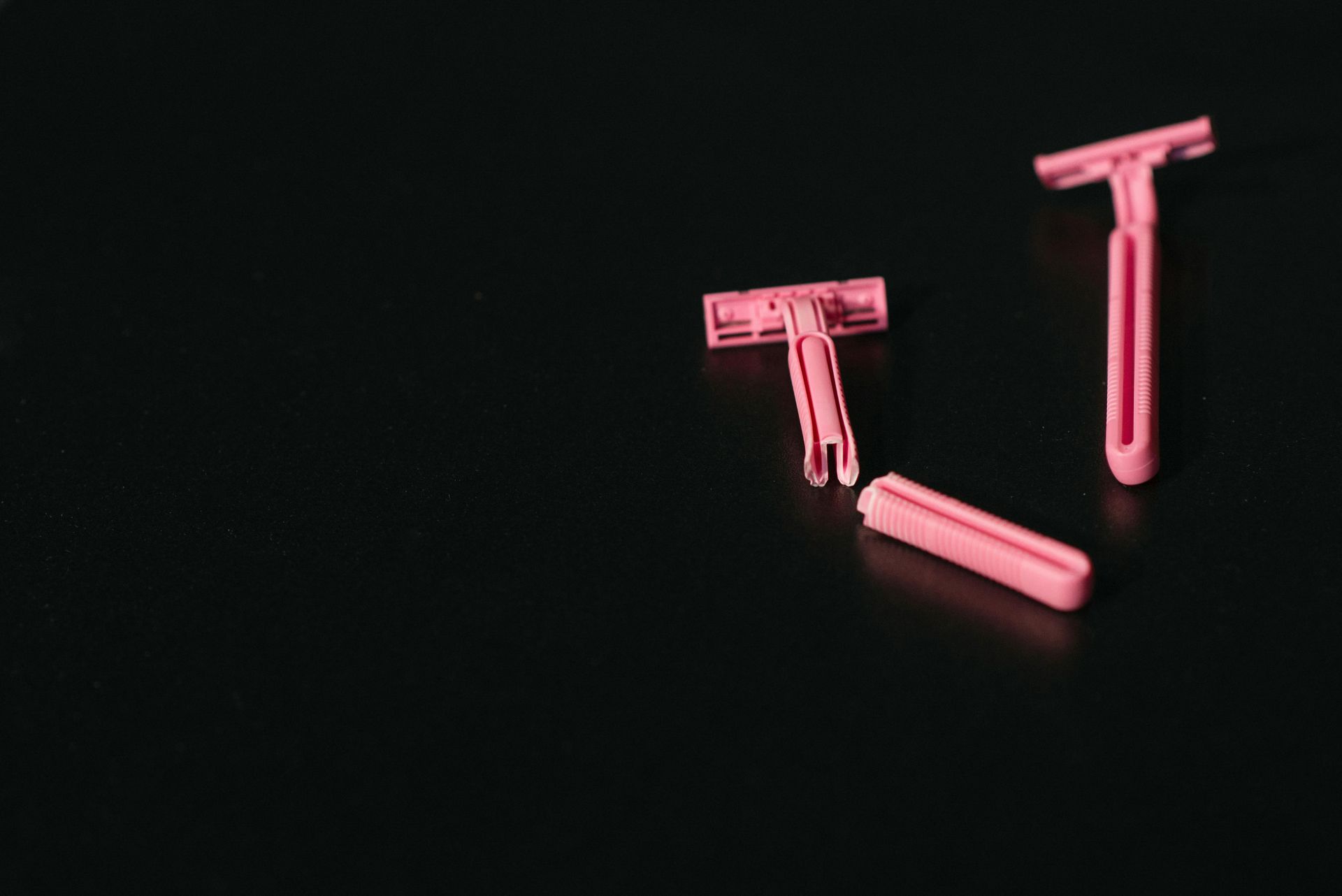
- Shaving: Shaving does not affect the hair follicle, so it is generally safe between sessions. Avoid shaving immediately before a session unless your electrologist recommends it.
- Trimming: For areas with long or dense hair, trimming can reduce discomfort during treatment.
- Depilatory creams: Some creams are safe for use between sessions, but it’s important to patch-test first and avoid broken or irritated skin.
Important: Avoid waxing or plucking between sessions because these methods remove the hair follicle, which is exactly what electrolysis is targeting. Removing the follicle before treatment can make the session less effective.
Laser Hair Removal and Electrolysis
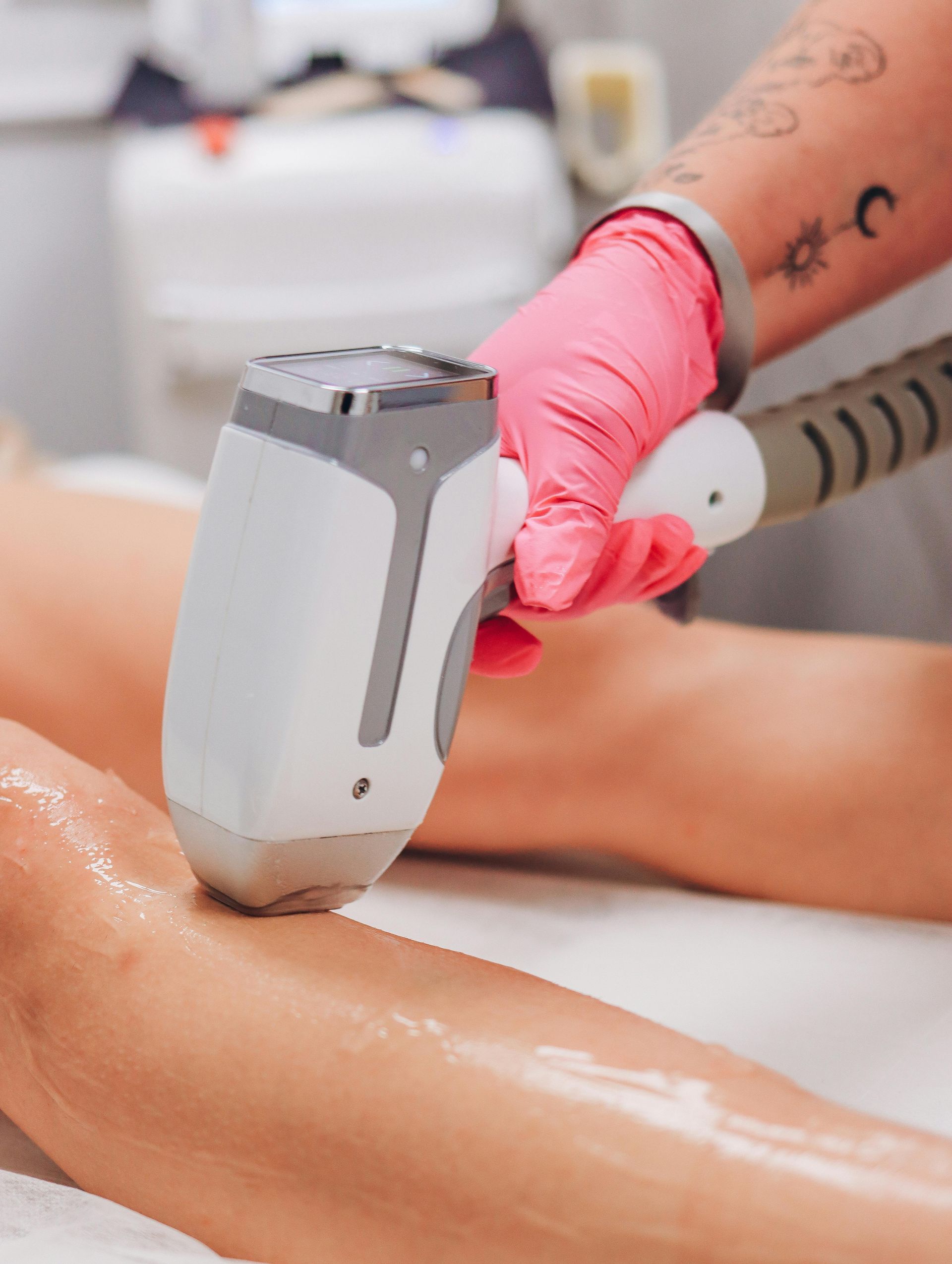
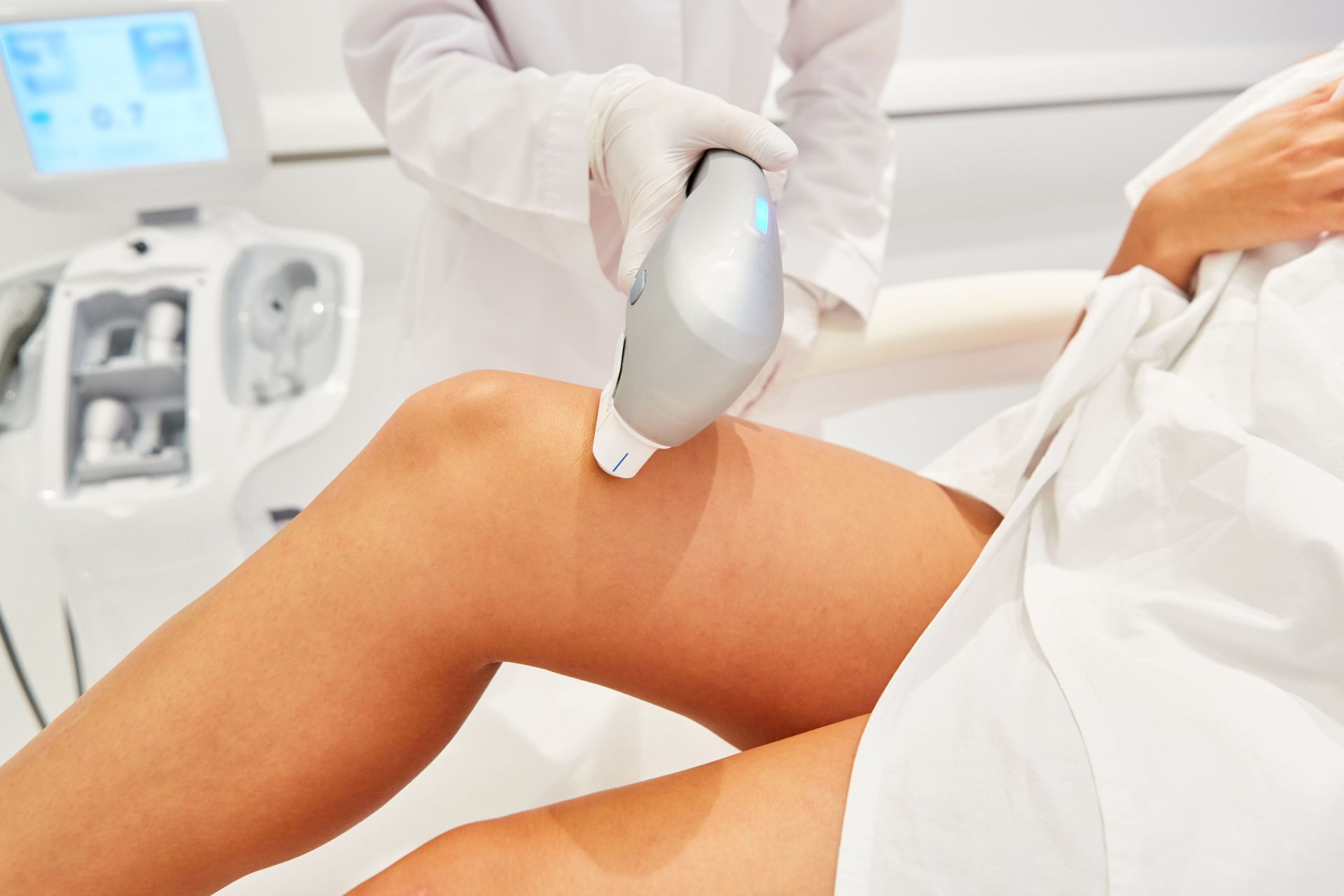
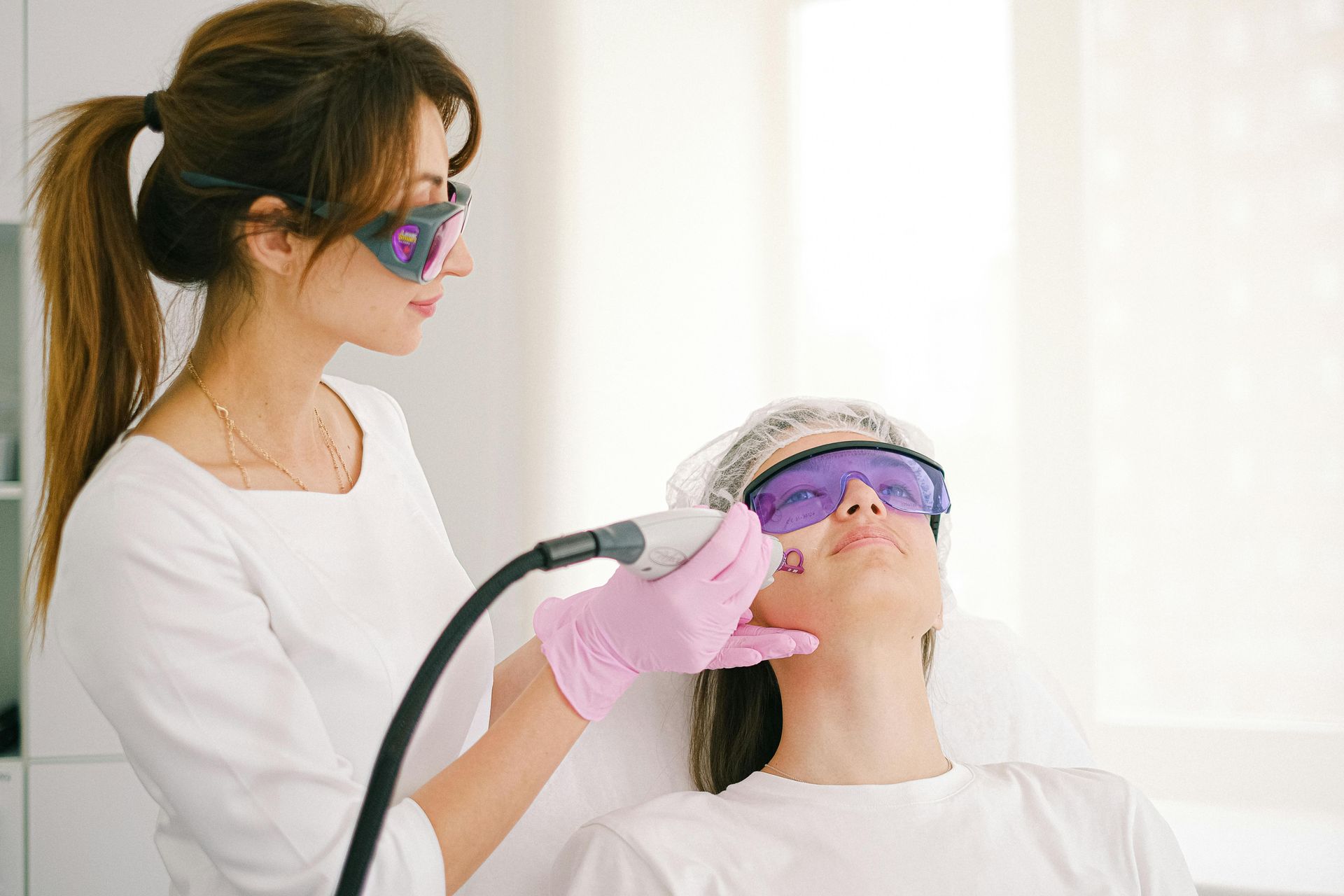
Some people may have previously undergone laser hair removal and are now switching to electrolysis. Laser hair removal is effective for dark, coarse hair but may leave lighter or stubborn hairs behind. Electrolysis can then be used to:
- Target remaining hairs that laser did not remove
- Treat fine, light-colored, or gray hairs that laser cannot address
- Provide precise removal in small or sensitive areas like the upper lip or eyebrows
Combining both methods can allow you to achieve smoother results more efficiently, especially if your goal is complete hair removal over a larger area.
Using Electrolysis with Sugaring or Waxing
Sugaring and waxing are generally not recommended during an electrolysis treatment plan because they remove the hair at the root. If you want to maintain a neat appearance, it’s better to stick with shaving, trimming, or safe depilatory methods between sessions.
Some electrologists may advise temporary waxing or sugaring for areas that are not currently being treated, but this should only be done under professional guidance.
Frequently Asked Questions
Is electrolysis safe for all skin types?
Yes, but people with certain skin conditions should consult a professional first. Darker skin may require careful technique to prevent pigmentation changes.
Does electrolysis hurt?
Most people feel mild stinging or pricking sensations. Pain varies depending on area and individual tolerance.
Can electrolysis treat any body area?
Yes, it can be used on almost any part of the body, including face, arms, legs, underarms, and bikini area.
How long does a session last?
Sessions typically range from 15 minutes to over an hour depending on the size of the area being treated.
Will hair regrow after electrolysis?
Electrolysis targets individual follicles permanently, but occasional stray hairs may appear. Maintenance sessions may be recommended in some cases.
Final Thoughts
Electrolysis offers a reliable path to permanent
hair removal for many people. The key to success lies in choosing a qualified provider, understanding the process, and being patient with results. By preparing properly, following aftercare instructions, and asking the right questions, you can make informed decisions and achieve effective hair removal safely.
If you are considering electrolysis, start by scheduling a consultation with a licensed electrologist. Ask questions, review your options, and create a treatment plan tailored to your goals.
Reference:
https://my.clevelandclinic.org/health/body/macrophages
Share this article